

Defense contractors are uniquely positioned to harness the elite skills and unwavering dedication of our nation’s veterans. By integrating this exceptional talent pool, they directly strengthen national security while building a workforce https://www.wxyz.com/lifestyle/these-are-the-best-companies-for-veterans-according-to-monster defined by resilience and mission-critical expertise. This strategic hiring isn’t just an opportunity—it’s a powerful advantage for both industry and country.
The Strategic Advantage of Military Experience
Military experience cultivates a unique and highly transferable skill set that provides a significant strategic advantage in civilian sectors. Veterans bring proven leadership under pressure, exceptional logistical planning, and a deep understanding of complex, hierarchical systems. Their training emphasizes adaptability, risk assessment, and mission-focused execution, which directly translates to effective project management and crisis response. This background fosters a strategic decision-making mindset, allowing organizations to anticipate challenges and allocate resources with precision. Ultimately, the discipline and resilience forged in service are invaluable assets for driving organizational success and achieving long-term objectives.
Technical Proficiency and Security Clearances
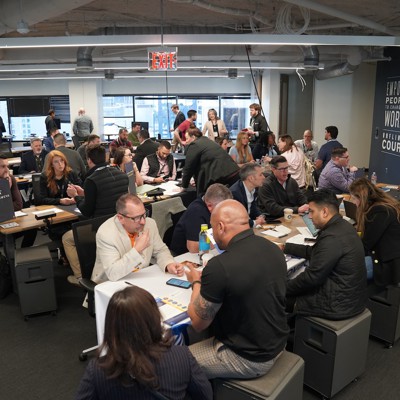
Military experience provides a significant strategic advantage in civilian careers by instilling a unique leadership and operational mindset. This military leadership skills translate directly to high-pressure environments, fostering discipline, resilience, and the ability to execute complex logistical plans. Veterans excel at risk assessment, team cohesion, and mission-focused problem-solving, delivering reliable results under demanding deadlines. This background creates adaptable and decisive professionals who enhance organizational effectiveness and operational security.
Leadership and Performance Under Pressure
Military experience provides a unique strategic advantage in civilian careers. It builds a foundation of leadership, resilience, and the ability to perform under intense pressure. Veterans excel at strategic planning and executing complex missions with limited resources, a skill directly transferable to business challenges. This background in crisis management is a powerful asset for any organization. This makes hiring veterans a key talent acquisition strategy for competitive industries.
Understanding the End-User and Operational Realities
Military experience provides a profound strategic advantage in leadership development, cultivating a unique capacity for decisive action under extreme pressure. This background instills a mission-focused mindset, exceptional logistical acumen, and the ability to lead diverse teams through ambiguous, high-stakes scenarios. These transferable skills directly translate to superior organizational resilience and operational effectiveness in the corporate world. This forged temperament is arguably the most valuable asset a veteran brings to the boardroom. Ultimately, it represents a unparalleled training ground for strategic thinkers who excel in dynamic, competitive environments.
Key Roles for Veterans in Defense Contracting
Veterans bring unparalleled expertise to defense contracting, translating battlefield experience into innovative solutions. Their deep understanding of operational requirements and real-world logistics ensures that contracted systems are both effective and resilient. They excel in test and evaluation roles, rigorously assessing equipment under simulated combat conditions. Furthermore, their leadership and security acumen make them invaluable for project management and safeguarding classified technologies. This direct pipeline of talent strengthens national security by ensuring that the companies designing our future defense capabilities are guided by those who have used them.
Program Management and Systems Engineering
After serving with honor, many veterans find a powerful second mission within defense contracting. Their firsthand experience in operational environments is irreplaceable, allowing them to bridge the gap between the warfighter’s needs and the engineer’s blueprint. This **veteran transition to defense careers** ensures that developed systems are not just technologically advanced, but are truly practical, reliable, and survivable in the field. Their ingrained understanding of doctrine and tactics directly fuels innovation where it matters most.
This deep-seated knowledge allows them to anticipate real-world challenges long before a prototype is ever built.
From program management and logistics to cybersecurity and field testing, veterans provide the critical human insight that pure technical specifications cannot capture. Their leadership and resilience, forged in service, become key assets in delivering capability to those now in the fight.
Field Service Representatives and Technical Trainers
After the uniform, many veterans find a powerful second mission within defense contracting. Their firsthand operational experience is invaluable, translating complex battlefield needs into practical engineering solutions. This **veteran expertise in defense contracting** ensures that developed systems are not just technologically advanced, but truly mission-ready and soldier-tested. From program management to field support, their leadership and deep understanding of the warfighter’s reality bridge the gap between the Pentagon and the front line, directly strengthening national security from within the industry.
Business Development and Government Relations
Veterans are uniquely positioned to drive innovation and enhance operational readiness within defense contracting. Their firsthand experience with military systems and battlefield realities provides invaluable insight for developing effective solutions. This deep understanding of end-user needs allows them to bridge the gap between warfighter requirements and engineering execution, ensuring contracts deliver practical, high-impact results. Leveraging veteran expertise in defense contracting is a strategic advantage for national security, directly translating proven tactical knowledge into superior project outcomes and technological advancements.
Overcoming the Transition Gap
Overcoming the transition gap in language learning is all about bridging the frustrating plateau between textbook knowledge and real-world fluency. It’s that tricky phase where you know the grammar but freeze in a conversation. The key is to actively seek out authentic immersion. This means consuming media, having low-stakes chats, and embracing mistakes as data, not failure. By pushing into this comfort zone stretch, you build the automaticity and confidence needed for genuine communication, turning studied language into a living skill.
Translating Military Skills to Civilian Requirements
Overcoming the transition gap requires a strategic blend of targeted support and proactive planning. This critical phase, where knowledge fails to translate into consistent performance, is bridged by implementing structured **onboarding best practices**. Effective mentorship and clear milestone mapping transform uncertainty into confident capability. A culture of continuous feedback is the engine that sustains this progress. By closing this gap, organizations unlock employee potential and drive tangible business results.
Bridging Cultural and Communication Differences
Overcoming the transition gap in language learning requires a deliberate shift from theoretical knowledge to practical application. This critical phase is where learners must actively **bridge the language acquisition gap** by immersing themselves in authentic communication, rather than passive study. Consistent, real-world practice is the non-negotiable catalyst for fluency. Strategies include engaging with native media, seeking conversation partners, and embracing mistakes as integral feedback, thereby solidifying abstract rules into usable skill.
Veteran-Focused Recruitment and Onboarding Programs
Overcoming the transition gap in language learning means bridging the frustrating plateau between textbook knowledge and real-world fluency. It’s about moving from knowing grammar rules to using them effortlessly in conversation. The key is consistent, immersive practice that pushes you out of your comfort zone. **Achieving language fluency** requires actively engaging with native content, seeking regular speaking opportunities, and embracing mistakes as part of the process. This shift in focus from study to active use is what ultimately closes the gap.
Benefits to the Defense Contractor
For a defense contractor, landing a government contract is a huge win. It guarantees a steady, long-term revenue stream, which is fantastic for business stability and growth. This work often involves cutting-edge advanced technology development, pushing their R&D forward. Successfully completing these high-profile projects builds an incredible reputation, making it easier to win future bids. It’s also a major boost for their workforce, allowing them to attract and retain top engineering talent. Ultimately, these contracts are a powerful driver for both innovation and solid, predictable profits.
Enhanced Project Execution and Contract Fulfillment
For the defense contractor, securing a major contract is the cornerstone of long-term stability. It transforms speculative research into a funded, multi-year production pipeline, ensuring predictable revenue streams and justifying significant capital investment in specialized facilities. This **defense industry partnership** fosters deep institutional knowledge, allowing the company to refine cutting-edge technologies and build a formidable barrier to entry for competitors. Each successful project becomes a compelling reference, paving the way for future bids and sustained growth in a high-stakes market.
Strengthened Client Relationships and Trust
For the defense contractor, securing a major contract is a transformative victory. It guarantees a long-term revenue stream, providing the financial stability to invest in next-generation research and retain top engineering talent. This partnership fosters deep institutional knowledge, turning the contractor into an indispensable national asset. Each successful project builds an unparalleled reputation, paving the way for future bids and ensuring the company remains at the forefront of strategic innovation for decades to come.
Q: How does this benefit a contractor’s workforce?
A: It allows for stable, advanced projects that attract and retain the best engineers and technicians in the field.
Positive Corporate Image and Fulfillment of Corporate Social Responsibility
Defense contractors secure significant financial benefits through long-term, stable government contracts, ensuring predictable revenue streams and facilitating large-scale capital investment. This sector offers substantial profit margins on complex, technologically advanced systems, from aircraft to cybersecurity platforms. Furthermore, winning a major program provides a powerful competitive advantage in the defense industrial base, creating a high barrier to entry for rivals and often leading to follow-on sustainment and upgrade work for decades. Successfully navigating this landscape builds unparalleled technical expertise and a durable market position.
Q: What is the biggest non-financial benefit for a defense contractor?
A: The deep institutional knowledge and proprietary technical data rights gained, which are critical for maintaining long-term strategic dominance and securing future contracts.

Challenges and Considerations
Crafting a story in English presents unique challenges, from navigating its vast, irregular vocabulary to mastering its subtle, context-dependent idioms. A writer must also consider a global audience, balancing clarity with local color. This demands a keen ear for rhythm and a thoughtful approach to search engine optimization to ensure the tale finds its readers. Ultimately, the greatest consideration is weaving all these threads into a narrative that feels both authentic and universally compelling.
Addressing Skill Specialization vs. Role Flexibility
Mastering English presents unique challenges, from its vast vocabulary and tricky spelling rules to navigating countless regional accents. Key considerations for learners include finding the right balance between formal grammar and natural, conversational fluency. This journey requires consistent practice and exposure. For anyone creating content, understanding these hurdles is essential for effective global communication strategies that truly connect with a diverse audience.
Navigating Security Clearance Maintenance and Costs
Mastering English presents significant challenges, from its vast vocabulary and irregular spelling to nuanced phrasal verbs and idioms. Key considerations include navigating regional dialects and formal versus informal registers. For non-native speakers, achieving fluency requires consistent practice in authentic contexts. A robust language learning strategy must address these complexities directly, balancing grammatical accuracy with practical communication skills to build genuine proficiency.
Ensuring Long-Term Career Development Beyond Initial Hiring
Mastering English presents unique challenges, from its vast vocabulary and tricky spelling rules to navigating countless regional dialects. A key consideration is achieving true language proficiency, which goes beyond grammar to include cultural nuance and context. For learners and content creators alike, understanding these hurdles is essential for effective global communication, ensuring messages are both clear and culturally appropriate.
Best Practices for Veteran Integration
Imagine a seasoned sergeant, her leadership forged in distant deserts, now navigating the quiet chaos of civilian life. Successful integration begins long before discharge, with transition assistance programs that translate military skills into corporate value. Companies that champion mentorship and foster a culture of belonging don’t just hire a veteran; they gain a mission-focused asset. This conscious bridge, built on understanding and clear pathways, honors their service by providing a new, purposeful mission, turning proven dedication into organizational resilience and shared success.
Establishing Formal Military Talent Pipelines and Partnerships
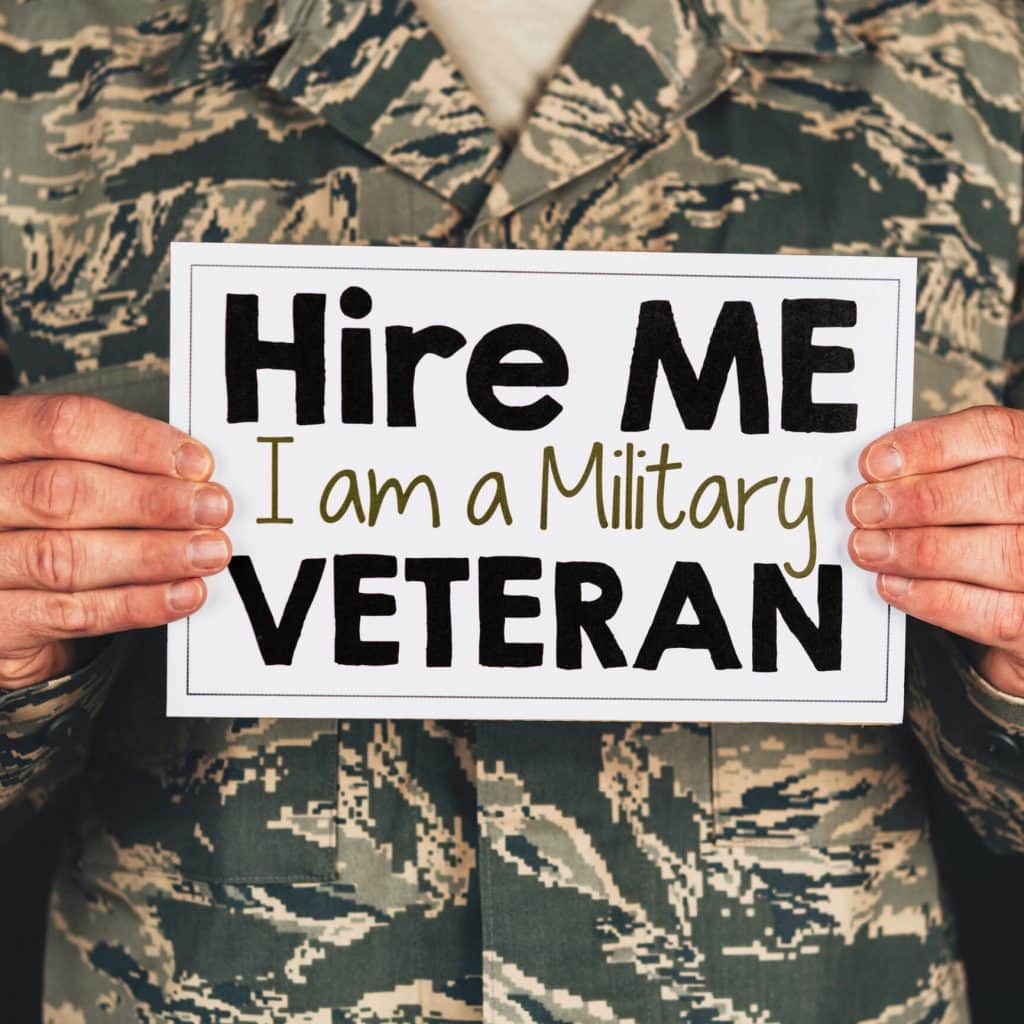
Successfully integrating veterans into the civilian workforce requires a dedicated strategy. It starts with veteran recruitment programs that actively seek out their unique skills. Move beyond just hiring by providing mentorship connections and tailored onboarding that translates military experience. Creating an inclusive culture where their background is valued is key for long-term retention. This commitment builds a stronger, more skilled team for everyone.
Creating Mentorship Programs and Veteran Employee Resource Groups
Successful veteran integration requires intentional, organization-wide commitment. A dedicated veteran hiring program demonstrates authentic support, moving beyond simple recruitment to foster lasting retention. This begins with skills translation services to bridge military and civilian terminology, ensuring roles align with a veteran’s proven leadership and logistical expertise.
Effective mentorship pairing is the cornerstone of long-term career development and belonging.
Leadership must actively champion an inclusive culture that values diverse backgrounds, directly boosting employee retention rates. This strategic approach honors their service while unlocking immense value for the company.
Providing Continuous Training and Professional Certification Support
Successful veteran integration hinges on proactive and structured support from the first day. A dedicated veteran onboarding program is essential, pairing new hires with veteran mentors to navigate cultural shifts. Leadership must actively foster military transition by valuing unique skills like discipline and mission-focused problem-solving. This commitment builds a loyal, high-performing workforce and significantly enhances veteran retention rates, creating a true competitive advantage.