

The Thrill of Risk
The allure of high-stakes betting often begins with the thrill of risk. Players are drawn to the excitement and adrenaline that come from wagering significant amounts of money. This psychological phenomenon, often referred to as risk-seeking behavior, can be tied to the release of dopamine in the brain, which is associated with pleasure and reward. For many, the chance of winning big heightens the stakes, making the experience even more exhilarating, especially when considering options like non gamstop casino.

This thrill is not merely about financial gain; it also encompasses the emotional highs and lows that come with gambling. The unpredictability of outcomes creates a dynamic environment where players feel alive, and this stimulation can become addictive. High-stakes players often seek these ups and downs to escape from daily life, finding excitement in the uncertainty of their bets.
The Social Aspect of Gambling
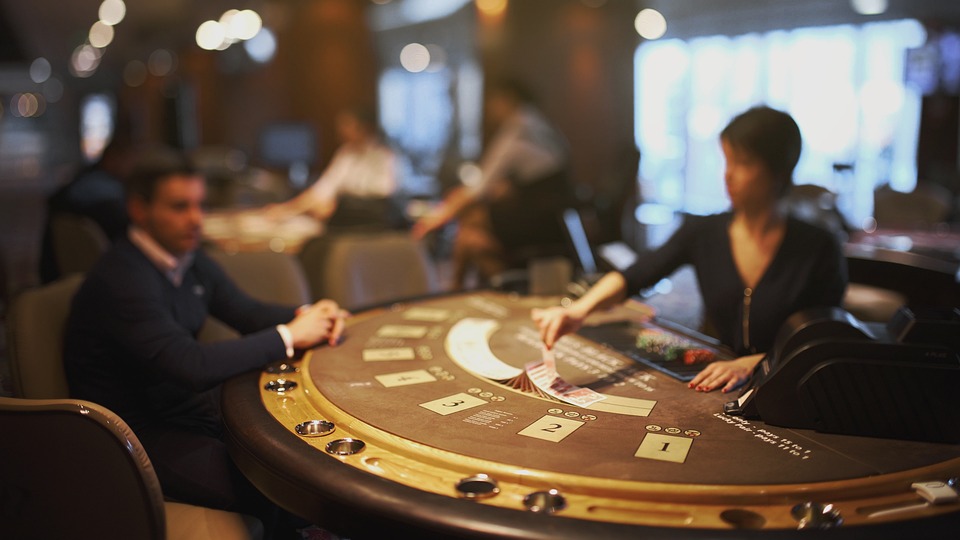
The social environment of casinos plays a significant role in motivating high-stakes bets. Many players enjoy the camaraderie and shared experiences that come with gambling. Whether it’s the cheers from fellow players or the conversation at the poker table, these social interactions enhance the overall experience. For some, the casino becomes a social hub where they can connect with like-minded individuals who share their passion for gaming.
Furthermore, the prestige associated with high-stakes gambling can elevate a player’s social standing. Within the casino community, there is often a level of respect and admiration for high rollers, which can motivate individuals to place larger bets. This social validation can be a powerful incentive to gamble at higher stakes, thus reinforcing the behavior in a cycle of social and emotional gratification.
Psychological Triggers and Marketing Strategies
Cash flow in casinos is heavily influenced by psychological triggers designed to encourage high-stakes gambling. Casinos employ various strategies, such as loyalty programs, exclusive events, and lavish accommodations to entice players to wager more. The marketing tactics often play on emotions, creating an atmosphere of luxury and excitement that makes players feel special and valued.
Moreover, the layout and design of casinos are optimized to keep players engaged. Bright lights, sounds of winning, and complimentary beverages serve to immerse players in a thrilling environment that often blurs the lines between reality and the gaming experience. These factors can lead to impulsive decision-making, where the player feels compelled to increase their bets in the heat of the moment, driven by the carefully crafted environment surrounding them.
The Influence of Cognitive Biases
Cognitive biases significantly impact how players perceive risk and reward in high-stakes situations. One such bias is the illusion of control, where players believe they can influence the outcome of games of chance. This fallacy can lead to increased betting, as players feel empowered by their ability to “read” the game or strategy that they think could sway the odds in their favor.
Additionally, the gambler’s fallacy can compel players to continue betting even after experiencing significant losses, as they convince themselves that a win is “due.” These biases create a distorted perception of reality, which can ultimately lead players to make decisions that do not align with logical financial planning. Recognizing these psychological factors is crucial for understanding why high-stakes betting can be both thrilling and detrimental.
Promoting Responsible Gaming
As awareness of gambling addiction rises, it is essential to emphasize the importance of responsible gaming. Education on the psychology behind high-stakes betting can empower players to make more informed decisions. Many casinos and gaming organizations now offer resources and support for individuals who may be struggling with gambling-related issues. These initiatives aim to create a safer environment where players can enjoy gambling without falling into harmful patterns.
Encouraging open discussions around gambling habits can help demystify the allure of high-stakes betting. By understanding the psychological factors at play, players can better navigate their experiences, ensuring that the thrill of gambling remains an enjoyable pastime rather than a destructive behavior. Promoting awareness and providing resources can lead to healthier gaming habits in the long run, benefiting both players and the gaming community.